Ambition and the Paths We Build
At the end of 2005, in the old Angolan House of Laws, I was asked by a future president what I wanted to be.
2026-10-31 · 9 min · Career · Angola · Energy
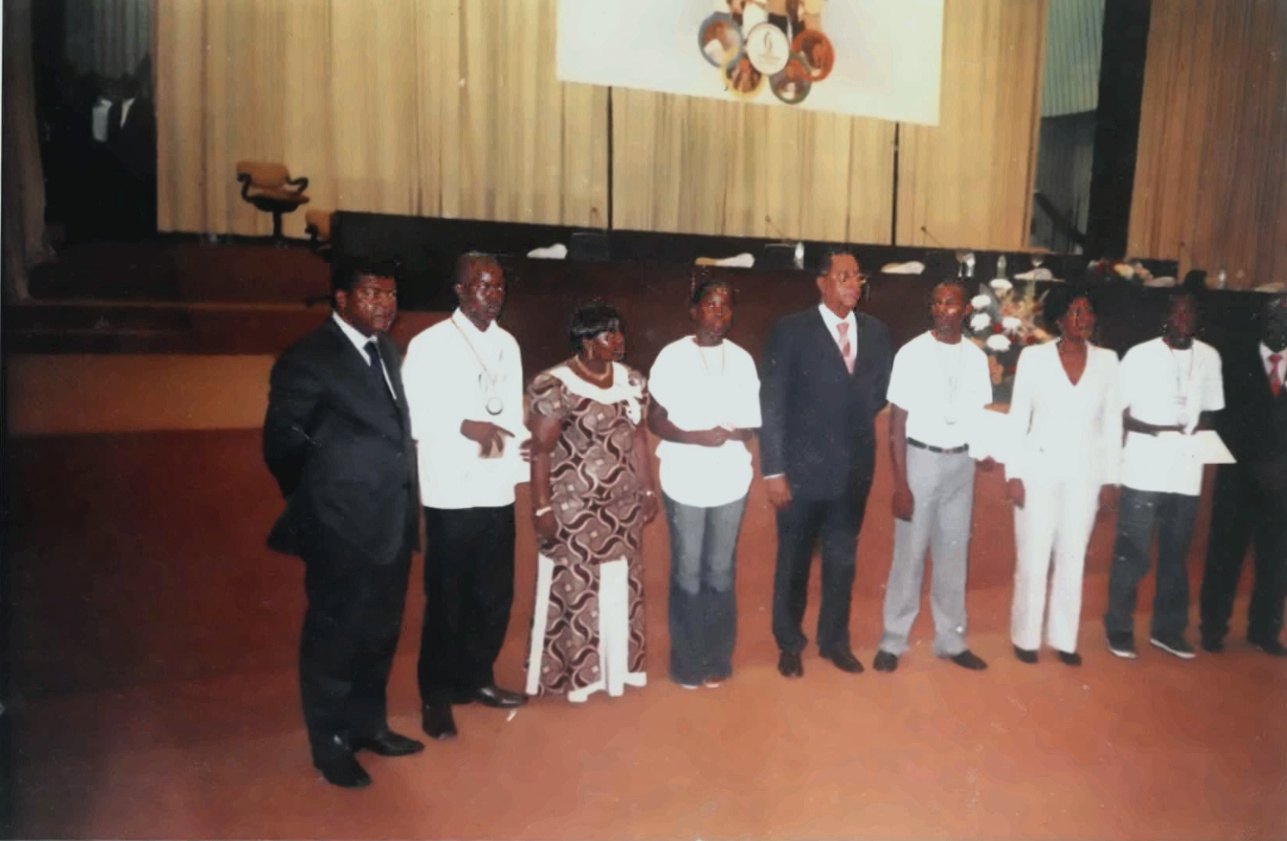
At the end of 2005, in the old Angolan House of Laws, I was asked by a future president what I wanted to be.
I had just won the Olimpíadas do Saber, a national competition organized by Fundação Sagrada Esperança, then led by the late Afonso Domingos Pedro Van-Dúnem, known as “M’Binda”. It brought secondary-school students from across the country together to compete in mathematics and other subjects.
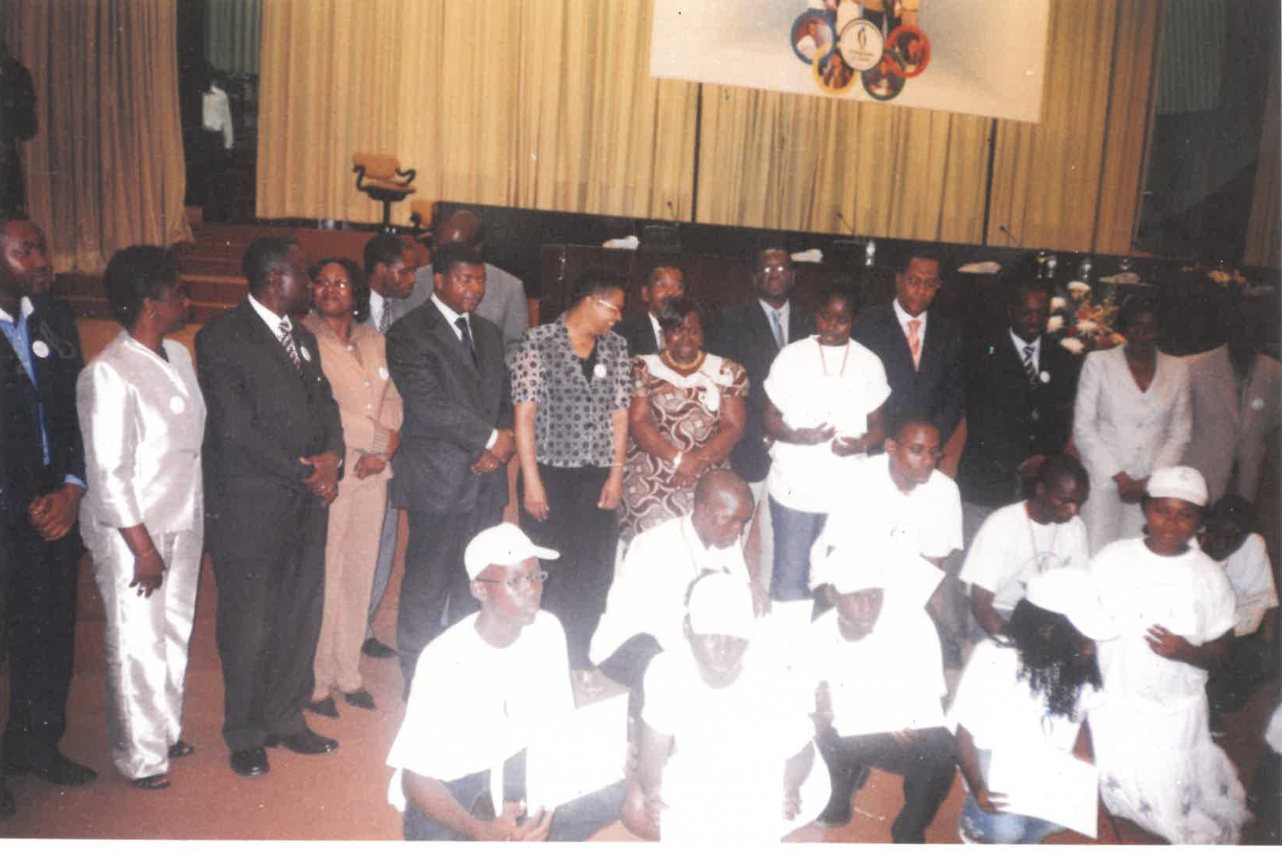
The award ceremony was held in the main chamber of the old National Assembly, the antiga Casa das Leis. I had grown up in Cazenga, Luanda, and had never imagined standing in that chamber. Winning took my family and me into places like that, and into the company of people I had only ever seen on television.
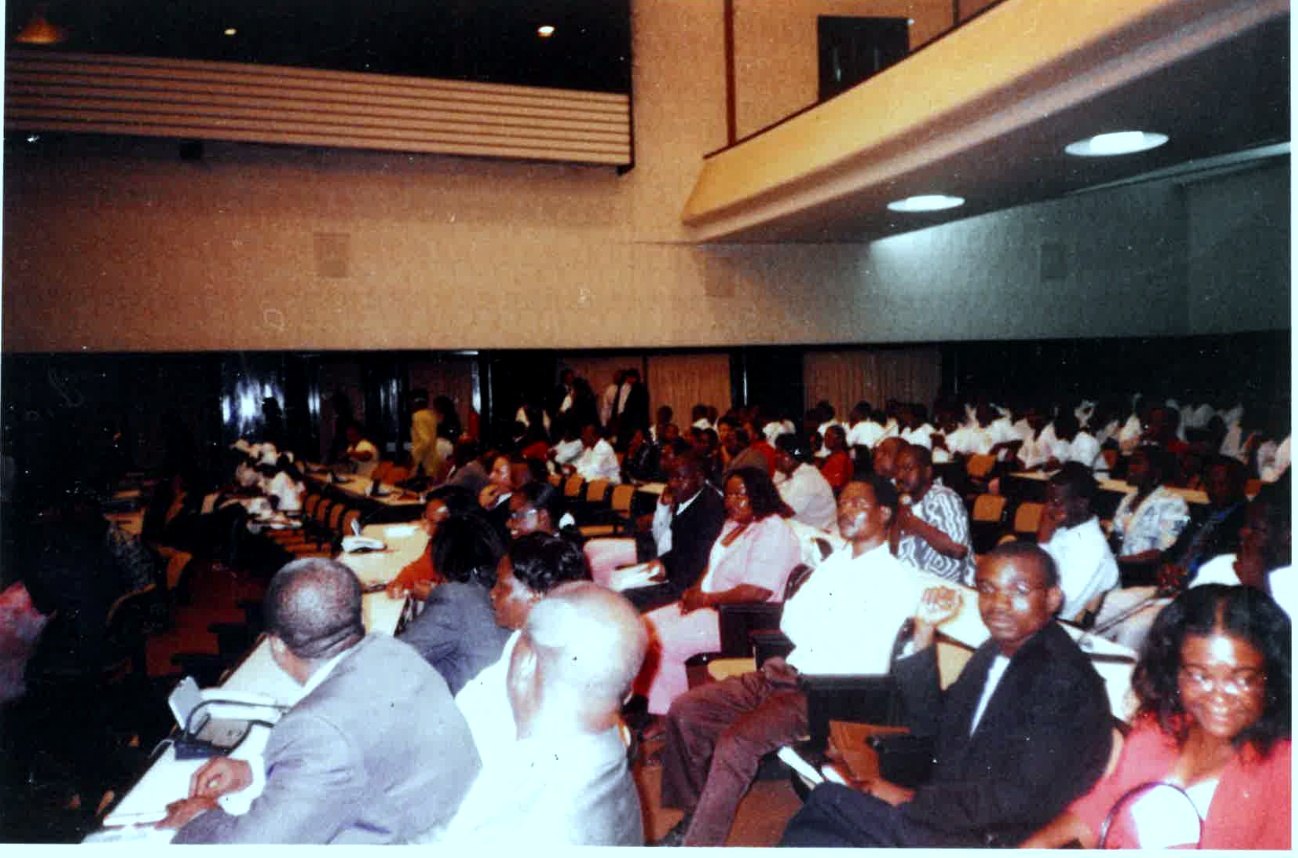
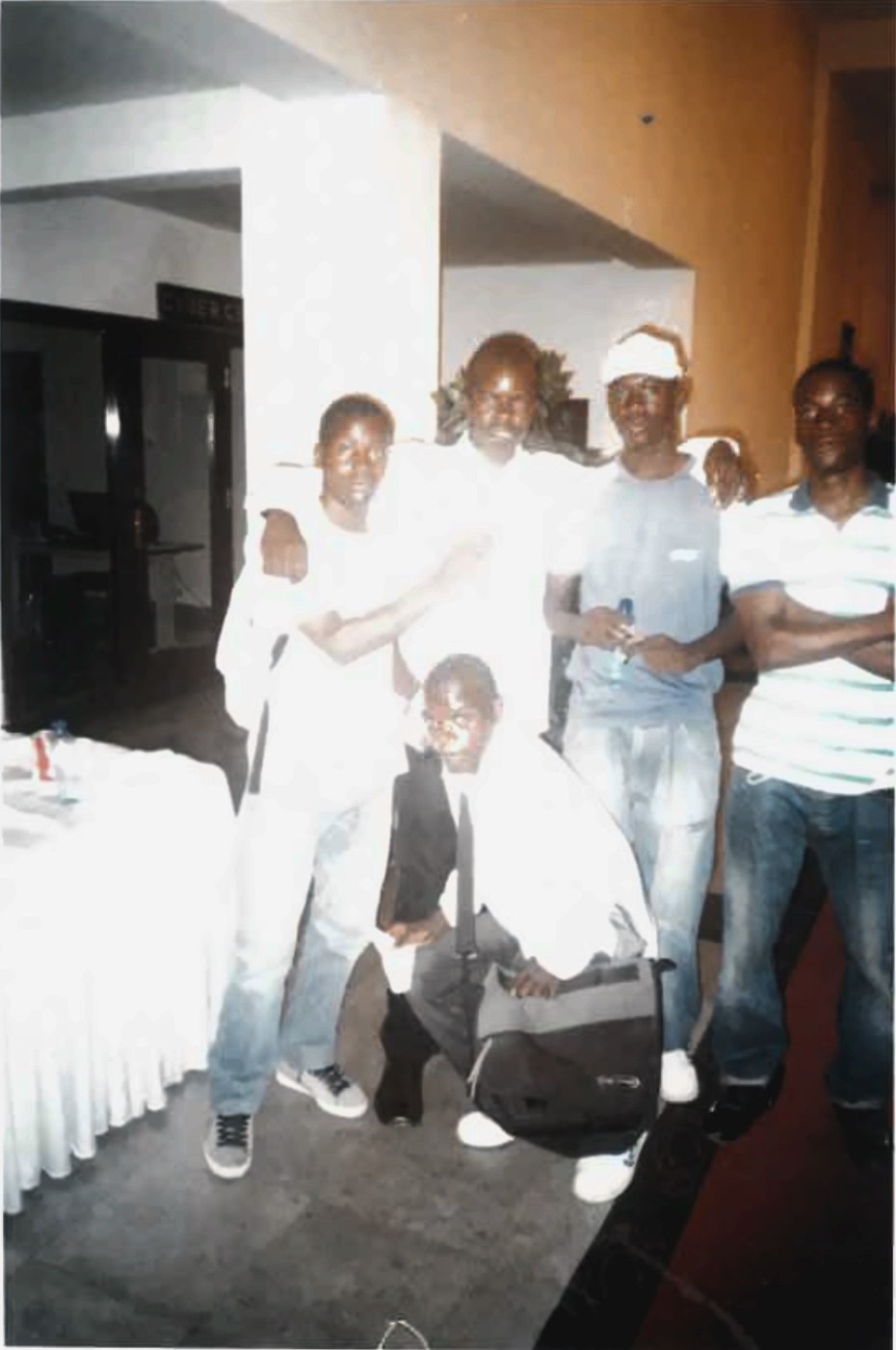
I didn’t think any photographs of that day had survived. This week my uncle, João Cagiza, showed me that he had kept them. I shouldn’t have been surprised. When it comes to keeping records, I don’t know anyone better.
The Minister of Education, António Burity da Silva Neto, was there. So was João Lourenço, then First Vice-President of the National Assembly. As we gathered for the group photograph, he asked me what I wanted to be.
I told him I wanted to be Minister of Energy and Water.
He laughed and called across to the education minister, amused by my ambition. There was laughter around us. Then he asked why I had chosen Energy and Water. I explained that the lack of reliable electricity and water where I had grown up had helped drive me to study and work hard. I wanted to do something about it.
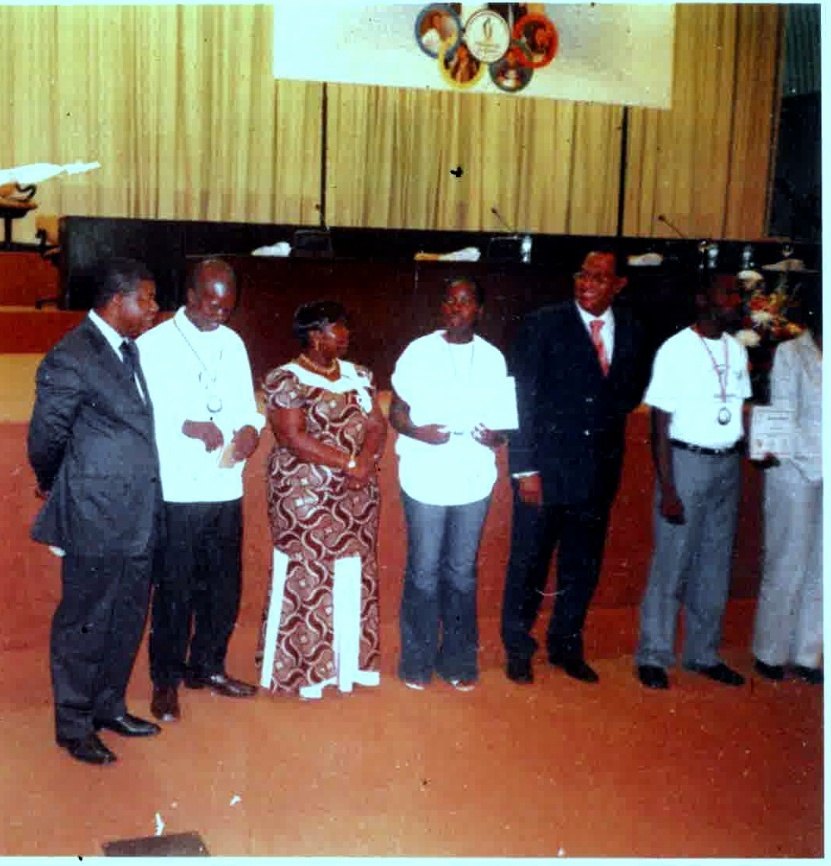
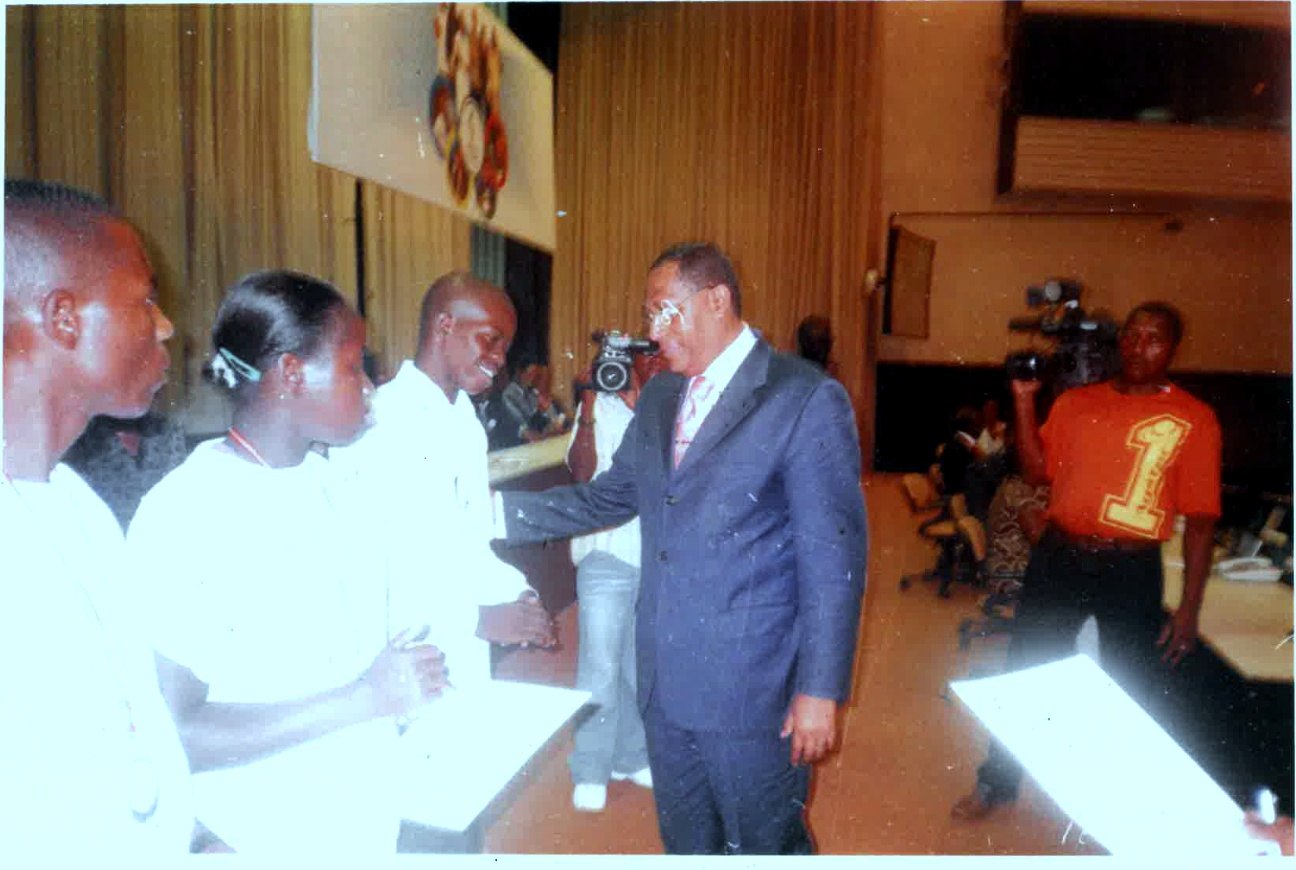
The minister holding that portfolio then, José Maria Botelho de Vasconcelos, was from Malanje, as is my family. To my younger self, that connection made the ambition feel a little closer.
What stayed with me was the way João Lourenço took the answer seriously, even amid the humor. He encouraged us to dream high and reminded us that the country would need us.
The question returns
I had been asked versions of that question since third grade. People often had futures in mind for me. Professor. Scientist. A few still suggest President of Angola, usually with a laugh. In secondary school, I felt I could be anything, and I always had an answer ready.
I would answer the question differently today. Engineering, years at sea, postgraduate study, work in different countries, and being a husband and dad have given me a better understanding of how much sits behind any position. I still care about the problems that shaped my ambition. I can now see more ways to help address them.
My time at Imperial College Business School was particularly important in that change. Studying there made me think more carefully about how my experience, the education I was pursuing and the work I hoped to do fitted together. Without some sense of direction, it is hard to explain what you want the next few years to prepare you for.
At my previous employer (Chevron), the question appeared in formal career-development processes. We recorded near-term goals, longer-term aspirations and the kinds of roles we hoped would connect them. The exercise encouraged me to think deliberately about my development and the experience I still needed.
A couple of weeks ago, the President of the Executive Committee of my business unit at Sonangol asked me the same question after looking at my experience and education.
I struggled to give a clear answer. My experience had opened several possibilities, which made choosing a direction harder.
He noticed. Instead of moving on, he walked me through the oil and gas value chain, starting with upstream production. He explained how its parts connect, what each one demands and how the industry’s challenges affect Angola’s economy. As he spoke, I began to see where my experience and skills could be useful, what I would need to focus on and how those possibilities connected to the work ahead for the country.
My research examines how knowledge passes from one generation to the next inside organizations. In that meeting, I was on the receiving end of it, and it worked.
I began to consider my next steps in terms of what Angola needs to produce, trade, transport and keep running: the ships and terminals, the cargoes moving between markets, the people who operate the system, and the investment that sustains it.
Helping people find direction
What he did for me is what a good development conversation should do. He explained how the business works, what it needs, and where my experience could fit, and he left me with something practical to think about and a reason to come back to the conversation.
The answer still has to come from the person. Nobody can hand you your ambition. But repeated questions about the future become frustrating when people cannot see where they fit. Some may leave. Others may stay and quietly stop offering ideas.
Nor should an answer given at eighteen become an obligation to remain the same person at thirty-eight. Experience changes what we know about ourselves, and a useful plan leaves room for that. Progress can mean becoming a better specialist, moving into a different field, or preparing to lead. Sometimes the best fit will be elsewhere, including in a business of one’s own, and that can be a constructive outcome.
Making room for Angola’s talent
For Angola, this has particular significance. The people who will lead our institutions and build our industries are already among us. Some are still in school. Others are gaining experience at work, building businesses of their own or earning a living in the informal economy.
Ability is not always accompanied by confidence, information or access. A person can have considerable potential without knowing which opportunities exist or how to prepare for them. Those of us with experience or influence can help by explaining the work we know and creating opportunities for others to learn.
For me, recognition through the Olimpíadas do Saber was one such opportunity. It gave me the confidence to imagine a life beyond the people and places I already knew. For someone else, it may be a first job, a chance to take on greater responsibility or a conversation that helps them see what they could do.
Looking at these photographs, I see a young person who wanted to solve a problem he knew well and expressed that ambition through the most visible position he could imagine. Energy has remained part of my professional life, although the work has taken forms I could not have described that day.
The people behind that day
I owe much to my family and friends. These photographs also remind me that I have never properly thanked many of the people who helped make that day possible.
At Instituto Médio Politécnico Alda Lara, I am grateful to Manuel Pacavira, the school’s director at the time, as well as Ventura Salvador and the late Abel Bento.
I owe a particular debt to my early mentors: Nicolau Ventura, my ninth-grade chemistry teacher who always made sure to leave encouraging messages on my papers such as the ones shown here, and the late Valentim “Tin Tin” Junior, who introduced me to IT. Moises, my eleventh-grade Portuguese teacher, taught me a great deal about life and played an important part in my preparation for the Olimpíadas do Saber. I am equally grateful to Saidy Mingas, my twelfth-grade mathematics teacher, and to all my teachers in the electrical department who encouraged me and supported my progress: Evaristo Panzo, Kiabala Teixeira, Avelino Paca, Marcos Francisco, Gaviao Nogueira, Helder, Demofilo, along with others whose names escape me now but whose support I still remember. Their influence went beyond the classroom, shaping how I approached my studies and carried myself.
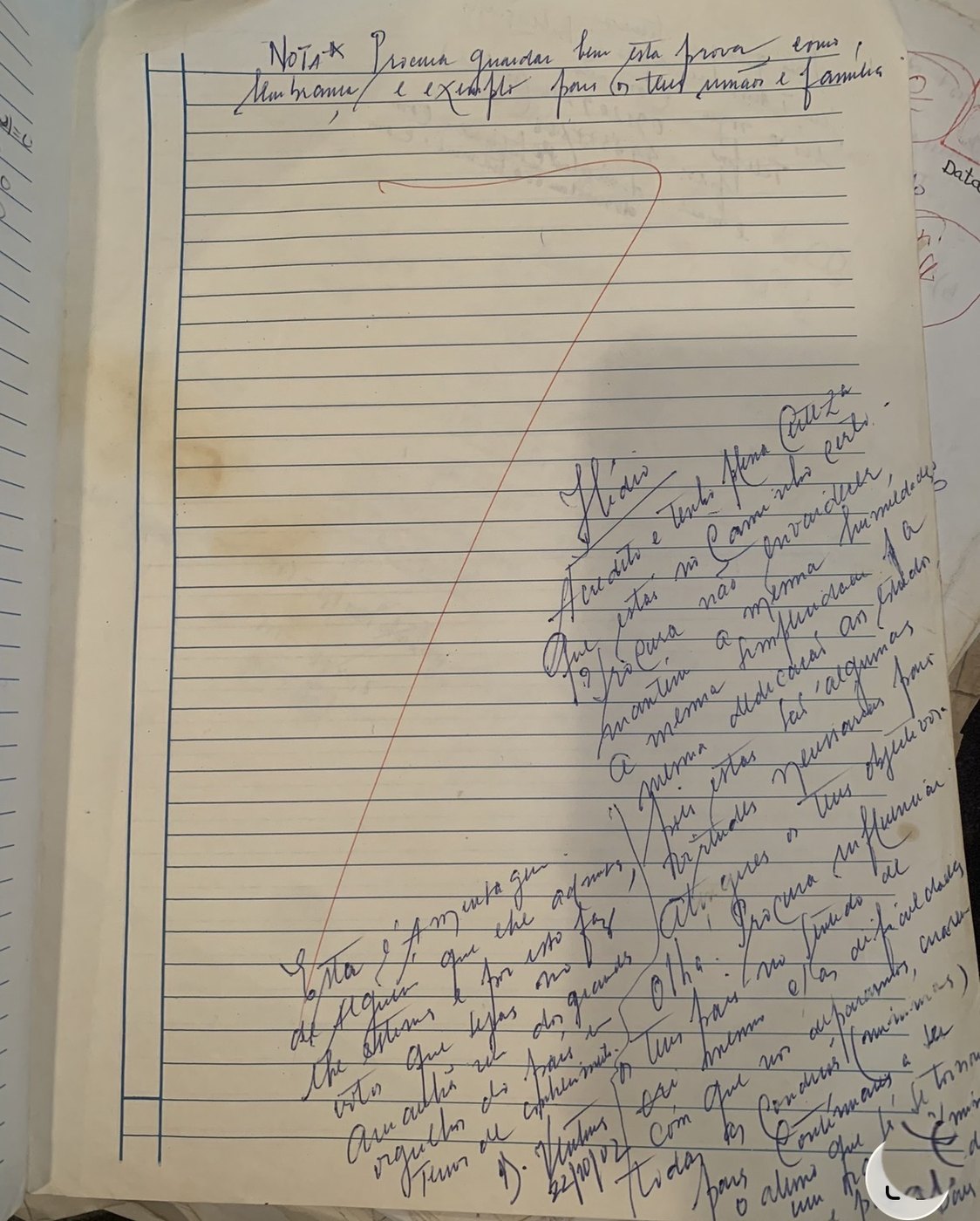
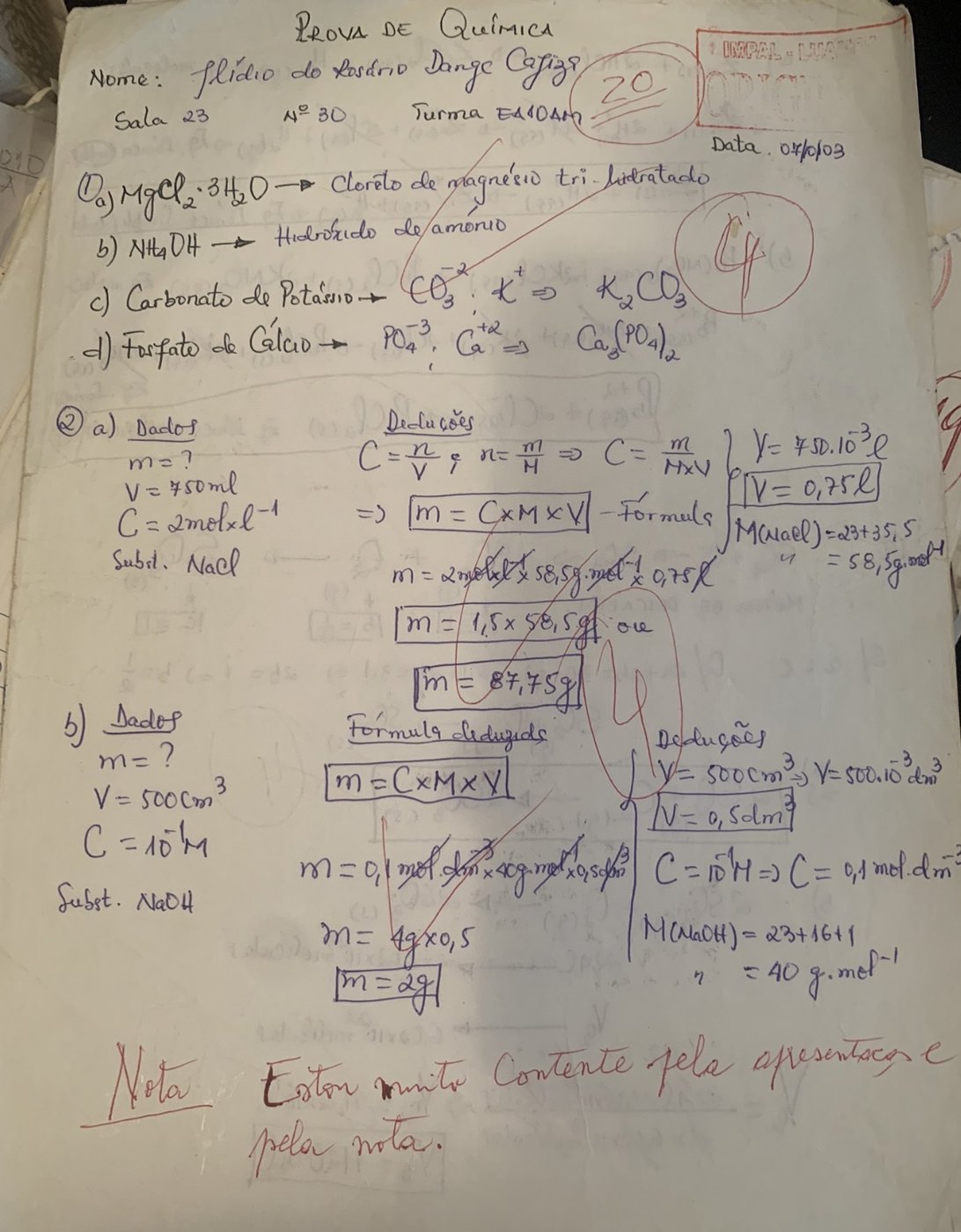
Notes Professor Nicolau used to leave on my 9th grade chemistry papers at Instituto Médio Politécnico Alda Lara.
That gratitude extends to all my classmates throughout those years, especially those who were in the trenches with me day after day.
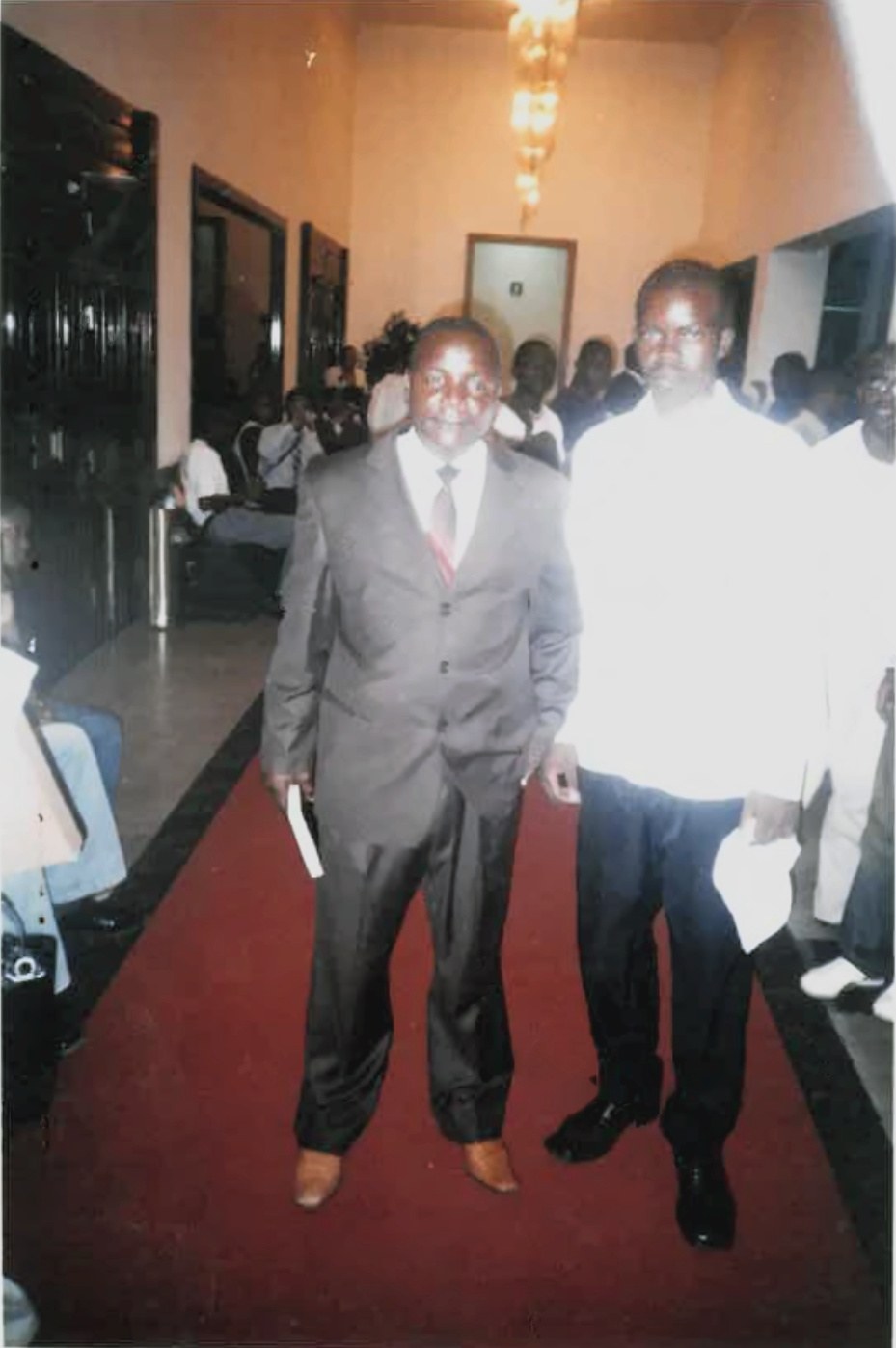
I am also thankful to the families who welcomed me into their homes, whether to study or simply to have somewhere to stay before or after school. Among them were the Fonsecas in Vila Alice and the Ciprianos in Maianga.
And I am grateful to Paróquia Nossa Senhora das Graças, in Rangel, Luanda, the parish community that saw me grow up and supported me in more ways than I can describe here. I cannot name everyone, but I have not forgotten what their support meant.
That conversation reminded me how much difference a leader can make by taking someone’s future seriously. He gave me time to answer, recognized when I needed more context, and shared his understanding of the industry so that I could see where I might contribute. I left that conversation better able to think for myself about the work ahead.
The people I have thanked here offered that kind of support at an earlier stage of my life, often without knowing how far their influence would reach. I carry their example with me. I hope that one day, someone will say I did the same for them.
P.S.
In my view, Angola’s current Ministry of Energy and Water should be split into a dedicated Ministry of Energy and a separate Ministry of Water and Sanitation. Placing energy and water in separate ministerial portfolios is an established approach internationally, including in advanced economies, although the precise arrangements vary.
Reliable, affordable electricity and wider access already demand sustained attention. The growth of renewable energy, particularly solar and wind, brings further work on storage and the modernization of electricity networks. Managing that transition gives an energy portfolio plenty to address. Water supply and sanitation deserve equally focused leadership.
Hydropower would still require close coordination over water resources. Separate ministries would need shared planning and clear responsibilities, just as transport and public works must coordinate major infrastructure.
A friend in Angola asked me this week whether I still wanted to be Minister of Energy and Water. I said no, for this reason. I could still see myself helping to lead a dedicated energy portfolio. The wish to address energy poverty remains.
I offer this as a personal view, without claiming the idea is new. I hope the discussion continues. Any reorganization should be judged by whether it improves focus, accountability and delivery in both sectors.